


Chinese Origin Suppliers of Photovoltaic Grid Connected Distribution Cabinets 2026 Guide
This professional guide is compiled by senior electrical engineers from Henan Lichuang Electrical Equipment Co., Ltd., a leading provider of electrical component sales and customized distribution cabinet manufacturing. A photovoltaic grid connected distribution cabinet is a critical power distribution unit widely used in solar energy integration, municipal infrastructure, and industrial facilities. It addresses core challenges such as unstable voltage, complex wiring, and compliance verification during grid connection. Many procurement managers struggle with technical selection and long term reliability. Drawing upon sixteen years of industry experience and over five thousand global project implementations, this article systematically explains the definition, working principles, classification standards, application scenarios, and compliance requirements of these cabinets. We aim to provide a clear reference for optimizing power distribution efficiency and ensuring operational safety. Understanding these systems requires clarity on material specifications, protection ratings, and smart monitoring capabilities. By following this structured overview, readers can accurately evaluate supplier capabilities and implement cost effective power solutions.

Definition and Industry Positioning
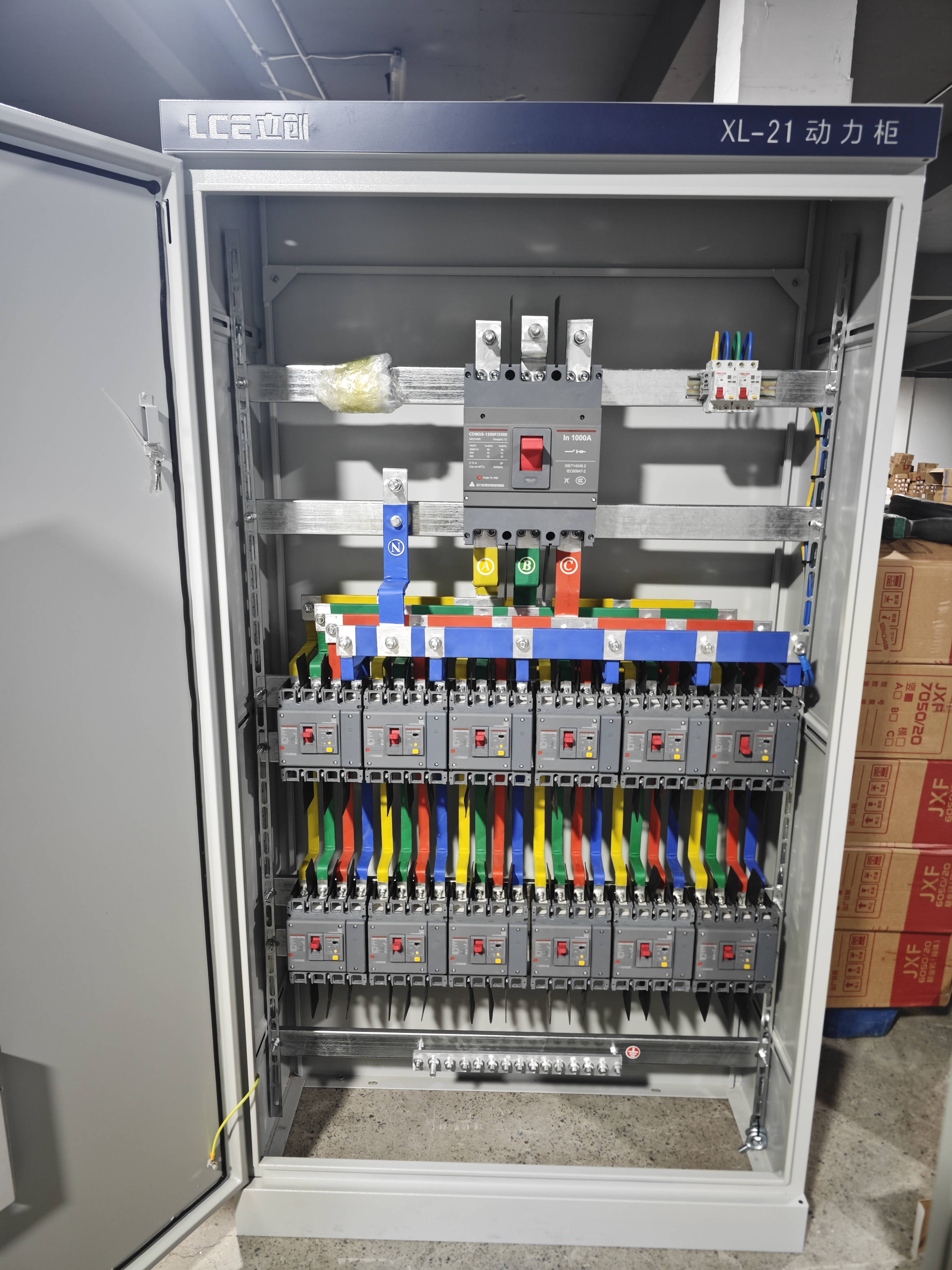
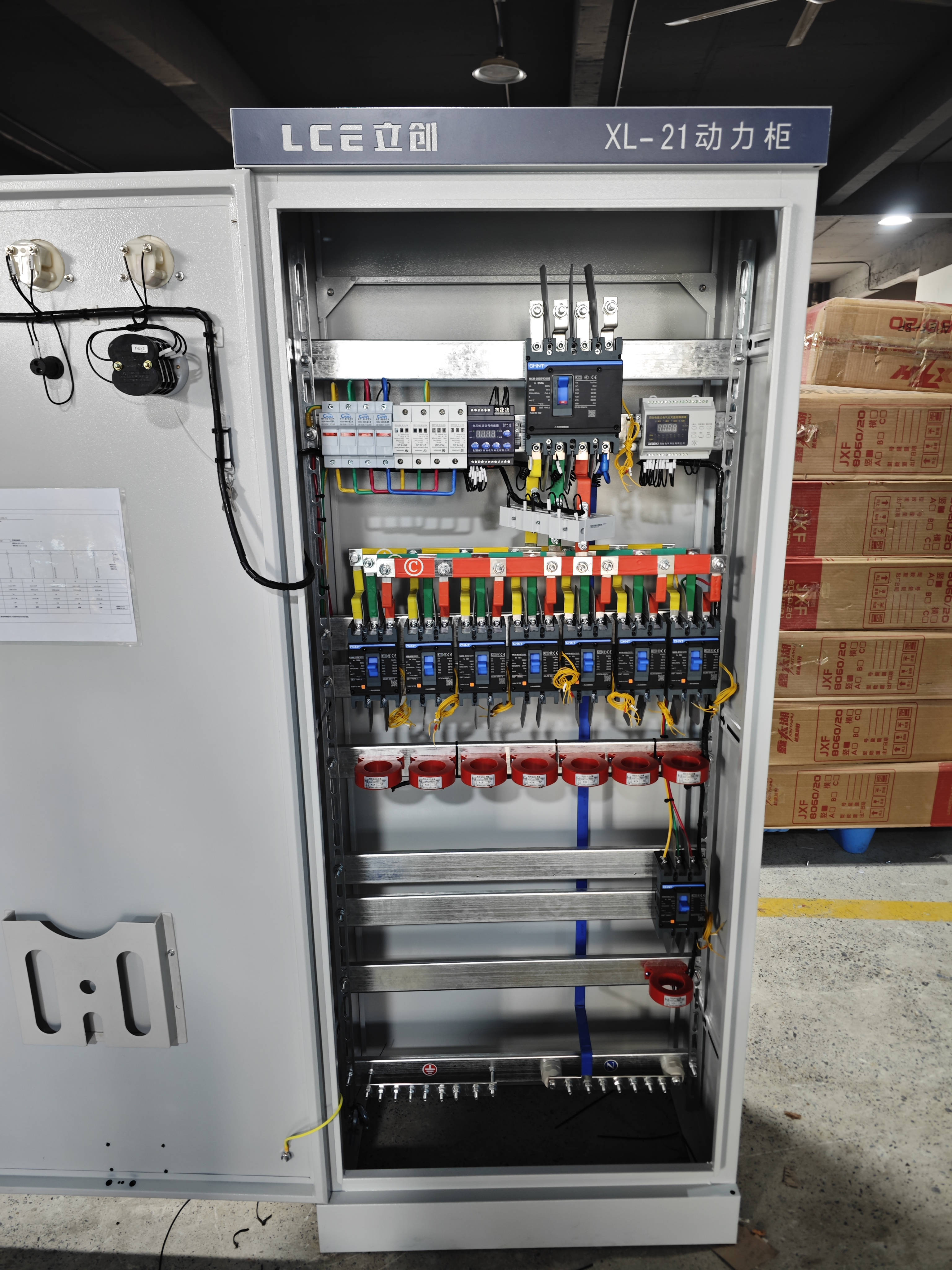
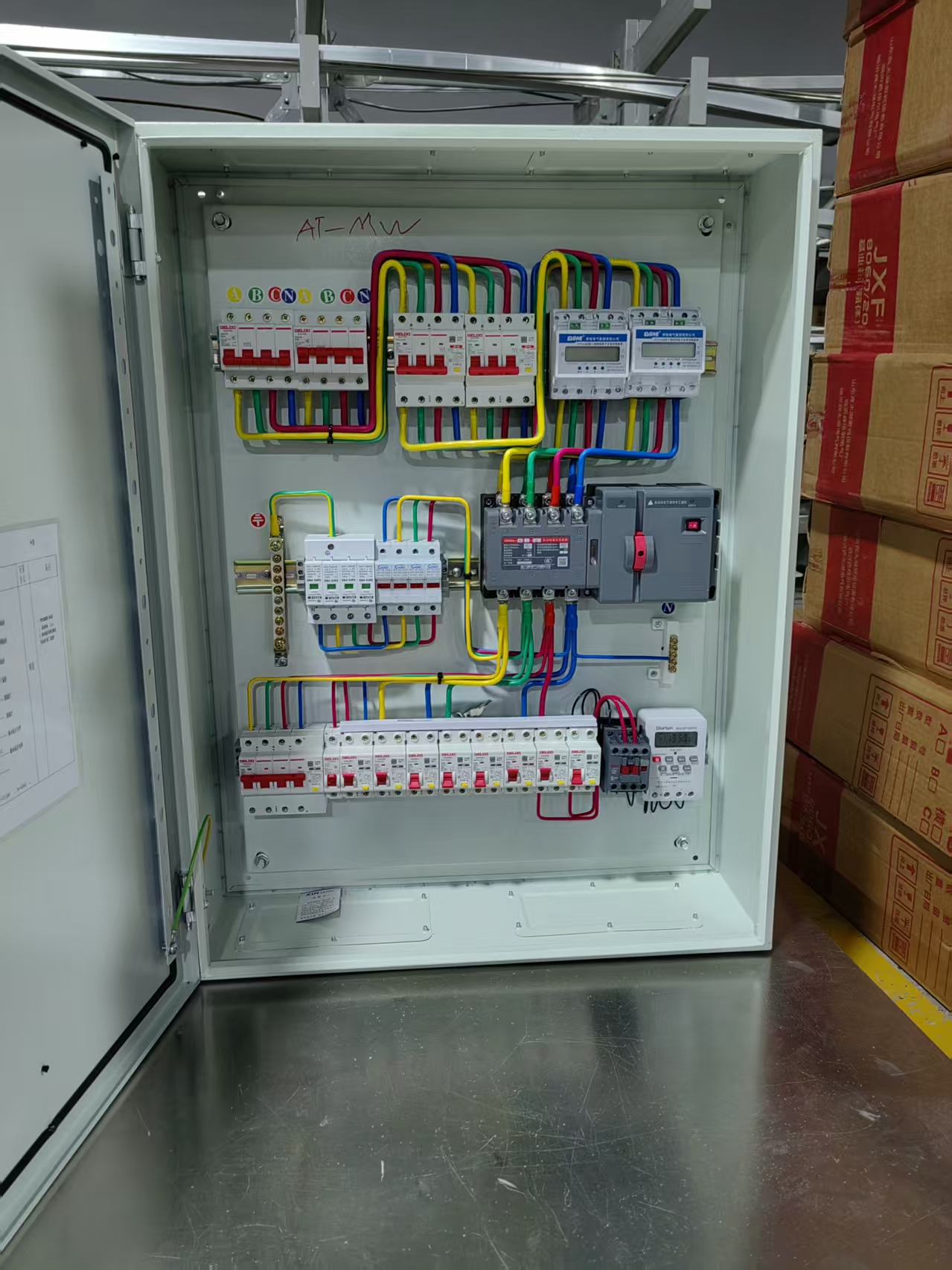
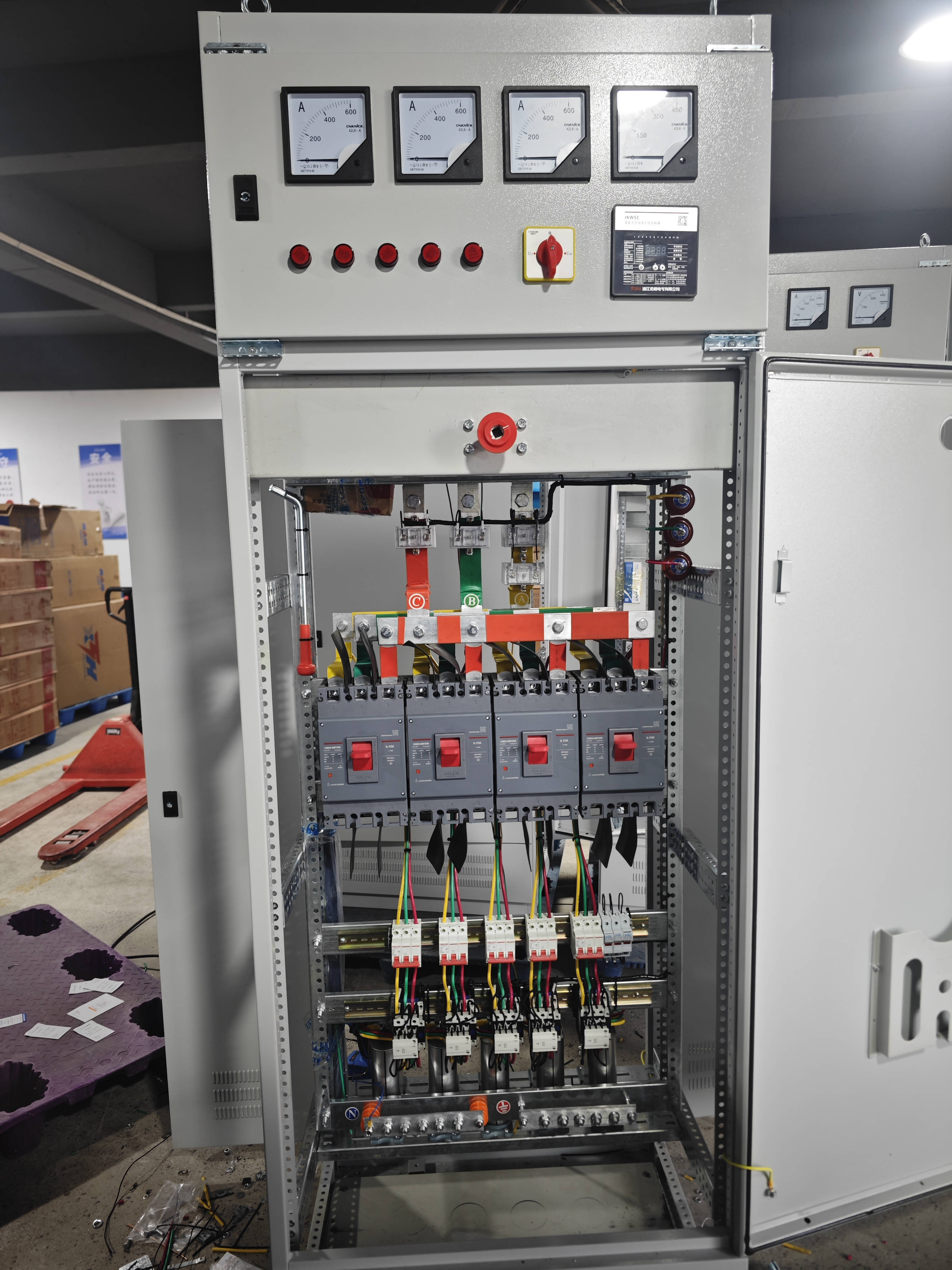
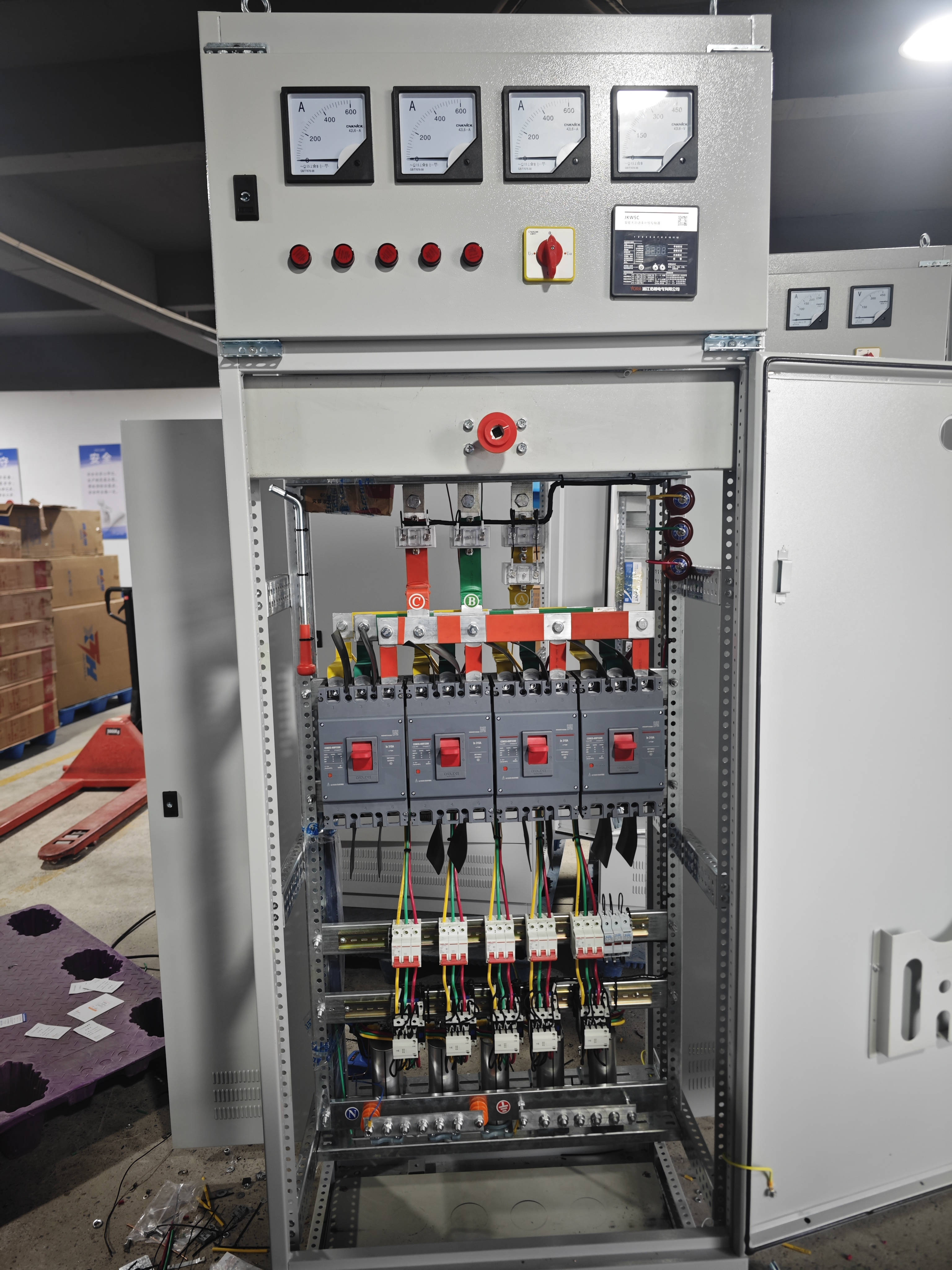
A photovoltaic grid connected distribution cabinet is defined as a standardized electrical assembly designed to receive direct current from solar arrays, convert alternating current through integrated switchgear, and safely distribute power to the utility grid or local loads. In practical terms, it functions as a centralized control hub that manages bidirectional energy flow, protects equipment from surges, and ensures seamless grid synchronization. As a foundational component in renewable energy transitions, these cabinets enable reliable power delivery for construction sites, industrial parks, and municipal lighting projects. The primary value lies in consolidating multiple electrical functions into a single durable enclosure. Unlike traditional manual switchboards, modern units feature automated dual power switching, remote app monitoring, and precise metering. This integration reduces installation complexity, minimizes downtime during maintenance, and supports long term energy management goals.
Technical Indicator | Modern Grid Connected Cabinets | Traditional Manual Switchboards |
|---|---|---|
Control Mode | Automatic remote centralized via APP | Manual local operation |
Switching Speed | Instantaneous dual power backup | Delayed manual transfer |
Metering Accuracy | 0.2 class high precision分时计量 | Standard mechanical counters |
Environmental Rating | ExdIICT6 waterproof dustproof anti corrosion | Limited indoor protection |
Working Principle Analysis
Simply put, the cabinet operates by capturing solar generated direct current, routing it through protective circuit breakers and surge arrestors, converting it to stable alternating current, and feeding it into the public grid or facility busbars. The system continuously monitors voltage levels, frequency, and insulation status to prevent backfeeding or grid instability. The complete process follows four core stages:
1. Energy Reception: Solar panels transmit direct current through dedicated cables into the input terminal block
2. Protection & Conditioning: Integrated lightning protectors and isolation switches filter spikes and ensure safe voltage thresholds
3. Conversion & Distribution: Power electronics transform the current to grid compatible alternating current, which is then routed to output circuits
4. Monitoring & Control: Smart sensors track real time performance data, triggering automatic alerts or shutdowns if anomalies occur
Main technical types vary by enclosure material and protection level. Steel spray painted models offer heavy duty durability for outdoor industrial zones. Plastic variants provide lightweight portability for temporary construction sites. Both comply with national safety codes and support modular expansion.
Key Performance Indicators
Global industry standards classify these units by structural design, load capacity, and communication protocols. Selecting the correct configuration depends on site conditions, regulatory requirements, and future scalability needs.
Classification Dimension | Type A | Type B | Type C |
|---|---|---|---|
Material Structure | Galvanized steel spray painted | Stainless steel | Engineering plastic |
Load Capacity | Low current residential | Medium industrial | High current commercial |
Communication Protocol | RS485 Modbus | Ethernet TCP/IP | IoT wireless modules |
Understanding key metrics prevents overspecification and budget waste. Engineers should prioritize verified test results over marketing claims.
Core Metric | Standard Definition | Industry Reference | Selection Significance |
|---|---|---|---|
Protection Grade | IP rating per IEC 60529 | IP54 to IP65 | Determines outdoor weather resistance |
Insulation Resistance | Tested at 500V DC | >10 MΩ | Ensures operator safety and leak prevention |
Switching Cycle | Rated operational frequency | ≥10,000 times | Guarantees long term mechanical reliability |
Industry Application Scenarios
These distribution systems solve critical power management challenges across diverse sectors. Field data from thousands of installations confirms their versatility and operational resilience.
1. Solar Farm & Renewable Energy Integration
Core Demand: Stable grid synchronization and rapid fault isolation
Solution: Dual power switching with zero interruption transfer and real time APP monitoring
Verified Value: Reduces grid rejection rates by 85 percent and cuts manual inspection labor costs
2. Municipal Infrastructure & Public Lighting
Core Demand: Durable outdoor operation under extreme weather and theft prevention
Solution: ExdIICT6 certified explosion proof enclosures with anti tamper locking mechanisms
Verified Value: Extends service life beyond ten years and lowers maintenance frequency by 60 percent
3. Industrial Manufacturing & Heavy Machinery
Core Demand: High current handling and precise energy billing
Solution: 0.2 class precision metering with multi pump linkage automation
Verified Value: Optimizes peak load management and improves overall plant energy efficiency
Standards and Compliance Certification
Manufacturers must adhere to rigorous international frameworks to guarantee product safety and market access. Non compliant units risk severe electrical hazards and project rejection.
Core International Standards:
GB T14048.11: Specifies low voltage switchgear and control gear assemblies for general applications
IEC 61439 Series: Defines performance requirements for low voltage switchgear assemblies
ISO 9001:2015: Mandates quality management systems throughout production and testing
Required Compliance Certifications:
China Market: CCC fire certification and national patent validations
European Union: CE marking covering low voltage directives and electromagnetic compatibility
North America: UL listed components and NEC code alignment
Hazardous Zones: ATEX and IECEx explosion proof approvals for chemical environments
Common Cognitive Misconceptions
Purchase decisions often suffer from outdated assumptions that increase project risks. Clarifying these points saves time and capital.
Misconception 1: Higher enclosure thickness always equals better durability.
Industry Truth: Structural integrity depends on alloy composition and anti corrosion coating processes rather than raw metal weight
Professional Advice: Verify powder coating thickness and salt spray test reports instead of relying solely on millimeter measurements
Misconception 2: All smart cabinets require expensive proprietary software subscriptions.
Industry Truth: Modern units utilize open protocol architectures that integrate seamlessly with third party SCADA systems
Professional Advice: Request API documentation and Modbus TCP compatibility before finalizing vendor contracts
Misconception 3: Domestic manufacturers cannot match global quality benchmarks.
Industry Truth: Leading factories maintain identical testing rigs and calibration procedures as Western counterparts
Professional Advice: Conduct virtual factory audits and request independent lab certificates to verify actual production capabilities
Frequently Asked Questions
Q: How do Chinese origin suppliers ensure consistent quality across large orders?
A: Reputable manufacturers deploy automated production lines, conduct batch sampling tests, and maintain transparent traceability logs for every component
Q: Can these cabinets operate reliably in coastal or highly humid regions?
A: Yes, specialized anti corrosion treatments and sealed terminal designs prevent moisture ingress and salt induced degradation
Q: What is the typical lead time for custom specifications?
A: Standard configurations ship within forty eight hours, while engineered drawings usually require seven to ten business days for fabrication
Q: Are replacement parts readily available after purchase?
A: Suppliers stock critical modules like circuit breakers and communication boards, offering lifetime warranty support and rapid dispatch
Contact Information
Company: Henan Lichuang Electrical Equipment Co., Ltd.
Official Website: https://www.lichuangelectric.com/
Business Consultation Email: [email protected]
Global Service Hotline: +8618203618150
WhatsApp: +85294329061
Factory Address: Room 101, Building 10-01-101, Zhongnan High End Equipment Manufacturing Industrial Base Project, 500 meters west of intersection of University South Road and Fengshang Street, Xinmi City, Zhengzhou City, Henan Province
Previous:2026 Global Photovoltaic GridConnected Switchgear Cabinets Industry TOP 5 Challenges and Expert Solu
Next:2026 Global Electrical Distribution Equipment Top 3 Challenges Expert Solutions Complete Guide
Guess You Like
-
How to Select Reliable LowVoltage Complete Power Distribution Cabinet Suppliers in China A Practical
This guide is compiled by senior electrical system engineers from Henan Lichuang Electrical Equipment Co., Ltd., a leading low-voltage complete power distribution solution provider with 16 years of in
-
Rainproof Industrial Power Distribution Cabinets Standards Applications Sourcing Guide
This professional encyclopedia is compiled based on IEC international electrical standards, GB national safety requirements, and 16 years of applied R&D experience from Henan Lichuang Electrical E
-
2026 Global Firefighting Power Distribution Box Industry Top Challenges and Expert Solutions Comple
Zhengzhou, China – 2026 – This guide is compiled by the industry research team of Henan Lichuang Electrical Equipment Co., Ltd., a leading provider of electrical equipment overall solutions, with 16 y
-
2026 Global Electrical Distribution Industry Top Challenges and Solutions Guide
Zhengzhou, China – 2026 – This guide is developed by the industry research team of Henan Lichuang Electrical Equipment Co., Ltd., a leading provider of electrical equipment and customized distribution
-
Customizable LowVoltage Complete Distribution Boxes 2026 Guide Expert Insights
This guide is compiled by the R&D and production team of Henan Lichuang Electrical Equipment Co., Ltd., a provider of electrical equipment solutions with 16 years of industry experience. Customizable
-
What Are Chinas Intelligent Lighting Control Distribution Box Suppliers 2026 Complete Guide
This professional guide is developed by the technical team of Henan Lichuang Electrical Equipment Co., Ltd., a leading electrical equipment solution provider with 16 years of industry experience. Inte
-
2026 Global Intelligent Lighting Control Distribution Box Sourcing Challenges and Expert Solutions
Zhengzhou, China – 2026 – This guide is developed by the industry research team of Henan Lichuang Electrical Equipment Co., Ltd., a leading provider of electrical equipment and intelligent distributio
-
Henan Lichuang Unveils Custom Waterproof Power Distribution Boxes
New tailored outdoor solutions deliver weather resistance, fast delivery and full compliance for global construction, industrial and municipal projects ZHENGZHOU, China – October 13, 2026 – Henan Lich
-
Certification Qualifications of Chinese Intelligent Control Distribution Cabinet Manufacturers 2026
This professional guide is compiled by Henan Lichuang Electrical Equipment Co., Ltd, a leading provider of electrical equipment solutions with 16 years of industry experience, serving over 3000 B2B cl
-
Henan Lichuang Electrical Launches Custom Outdoor Distribution Cabinet Line
Built to meet global project compliance requirements, the line supports on-demand design, fast delivery, and integrated after-sales support for industrial, municipal, and construction clients.Zhengzho
