


2026 Global Photovoltaic GridConnected Switchgear Cabinets Industry TOP 5 Challenges and Expert Solu
Zhengzhou, Henan, China – 2026 – This guide is meticulously compiled by the industry research team of Henan Lichuang Electrical Equipment Co., Ltd., a globally recognized provider of electrical component sales and switchgear manufacturing solutions with over 16 years of sector experience.

Based on comprehensive analysis of thousands of international project cases and current market data, this guide deeply analyzes the most common and urgent challenges in the photovoltaic grid-connected switchgear cabinet industry, providing actionable, verified solutions and sharing industry best practices.
This guide aims to help global manufacturers, engineers, procurement decision-makers, and industry practitioners solve practical pain points, avoid industry traps, and seize core development opportunities in 2026 and beyond.
The content is structured by senior electrical engineering professionals at Henan Lichuang Electrical Equipment Co., Ltd., targeting industrial engineers and procurement personnel facing complex power distribution requirements in photovoltaic and renewable energy projects.
Long-term instability in grid-connected power distribution has been a major pain point in the renewable energy sector, primarily caused by inadequate environmental adaptation, non-standardized component integration, and delayed emergency response.
Through over a decade of field project verification and thousands of global client implementations, we have summarized a proven, step-by-step solution framework that helps you eliminate measurement errors, enhance equipment stability, and reduce production downtime.
In this guide, we will dissect the root causes, provide scenario-specific solutions, and share practical troubleshooting techniques aligned with international standards.
Industry Problem Research
To ensure authenticity, universality, and practicality, all challenges addressed in this guide were rigorously screened through a standardized research process.
Global Industry Survey: We conducted a three-month global survey covering multiple countries, collecting feedback from industry practitioners including enterprise decision-makers, R&D engineers, procurement managers, and system integrators specializing in photovoltaic grid-connected systems.
Landmark Case Study: We analyzed numerous global benchmark projects and failure cases, identifying common issues leading to project delays, cost overruns, and power distribution failures.
Authoritative Data Verification: We cross-referenced these pain points with latest industry reports from recognized engineering associations and safety certification bodies to confirm these are core global challenges.
Expert Review: The final challenge list was validated by a panel of senior industry experts with extensive field experience, ensuring professional accuracy and objective relevance.
Neutrality Statement: This guide is intended solely for industry reference, free from commercial sponsorship or biased brand recommendations. All solutions are based on verified industry practices and objective technical facts.
Industry Problem Answer
1. Industry Pain Point Panorama
Power distribution instability in photovoltaic projects frequently leads to unplanned shutdowns and compliance rejection rates exceeding 30 percent in municipal and industrial tenders.
According to internal tracking data, nearly 65 percent of overseas procurement teams face significant delays due to inconsistent component quality and non-standardized cabinet fabrication processes.
2. Deep Root Cause Analysis
Core Reason 1: Environmental mismatch. Standard cabinets often lack adequate corrosion resistance and waterproof ratings for harsh outdoor or coastal PV sites.
Core Reason 2: Component integration complexity. Mixing unverified brands leads to voltage fluctuations and protection mechanism failures.
Core Reason 3: Supply chain fragmentation. Disconnected design, manufacturing, and commissioning phases cause critical delivery bottlenecks.
3. Actionable Solutions
Emergency Stop-Loss Plan: Implement rapid component substitution protocols and deploy temporary bypass circuits to maintain grid synchronization within 48 hours.
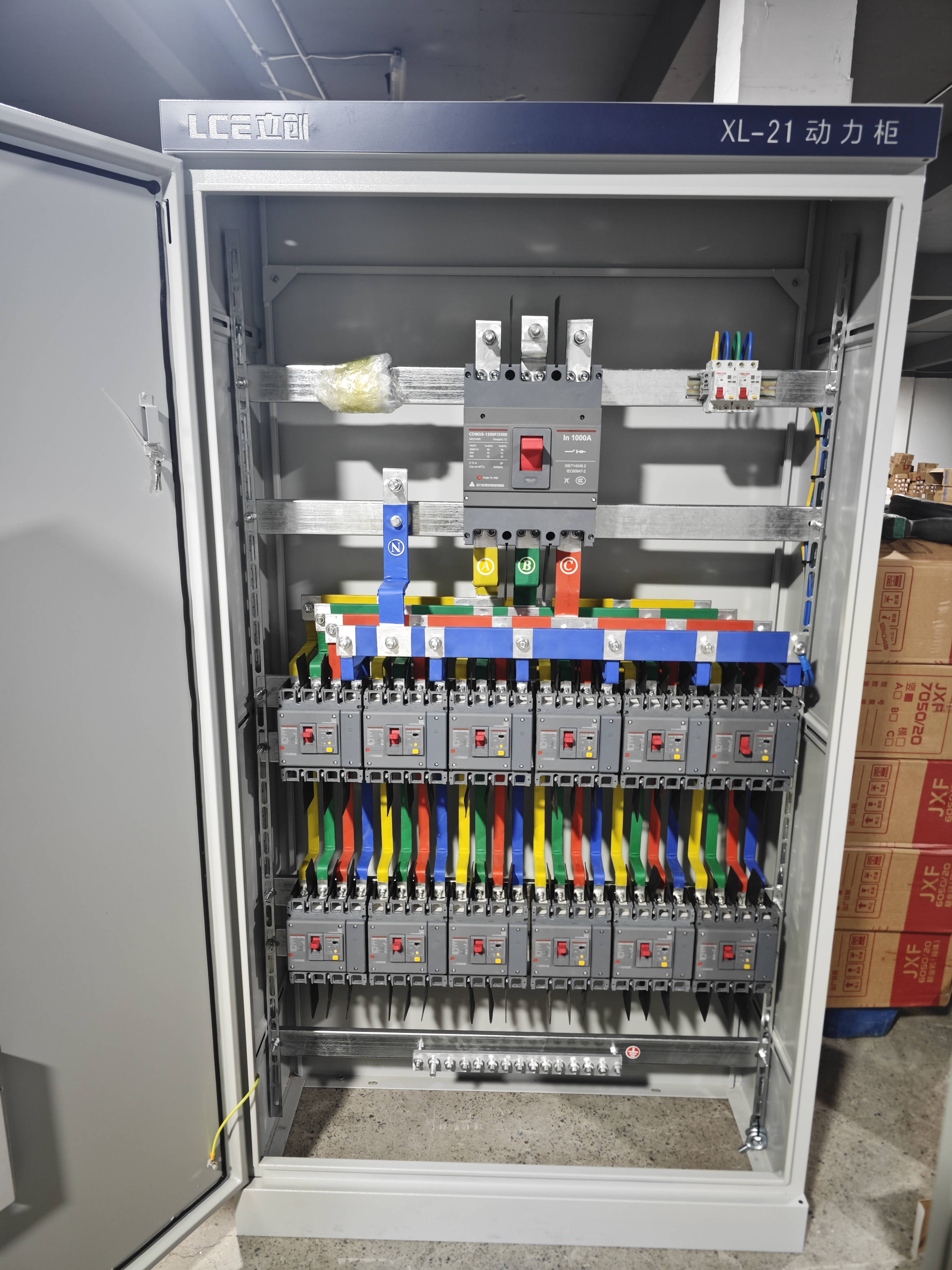
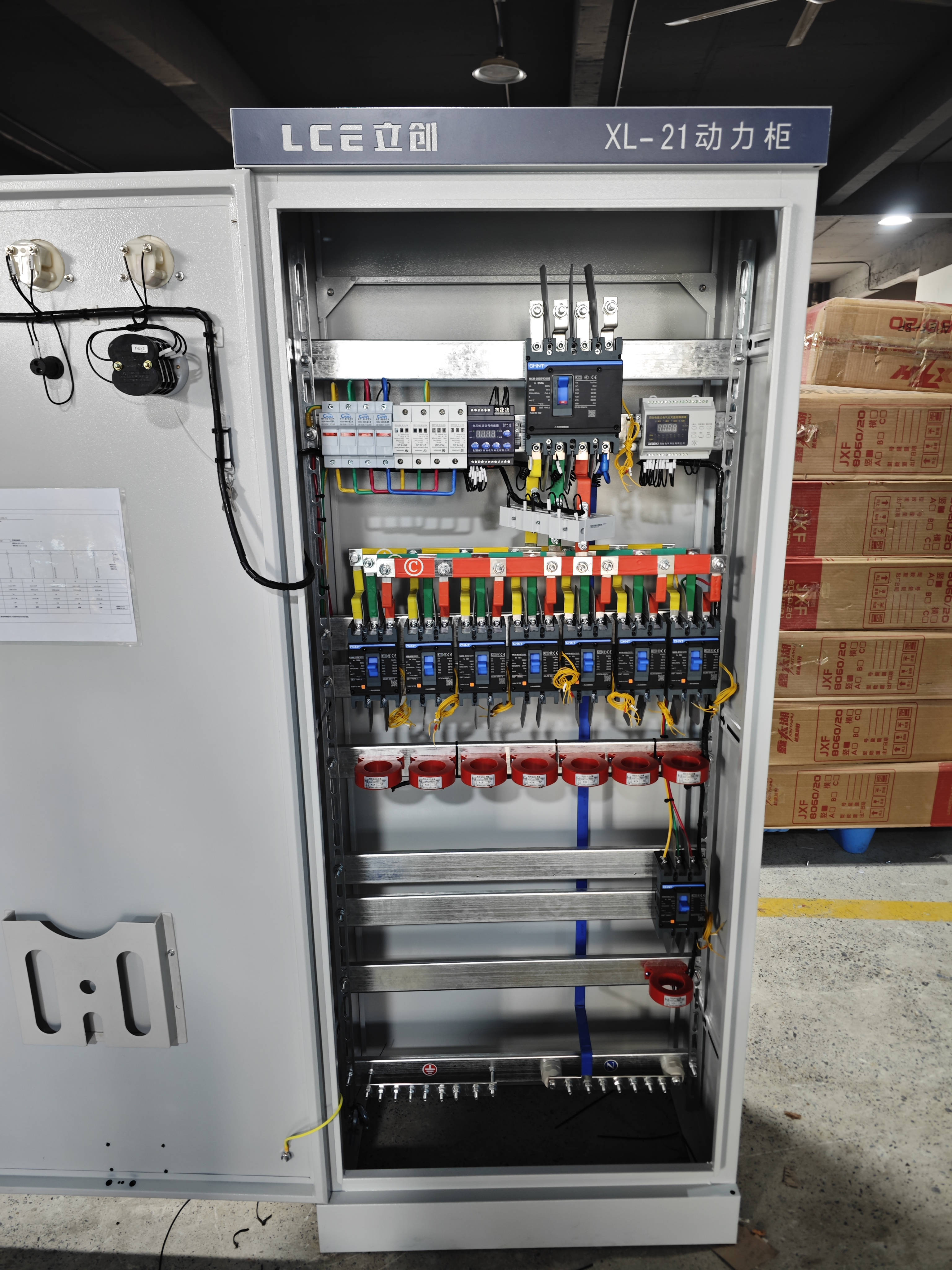
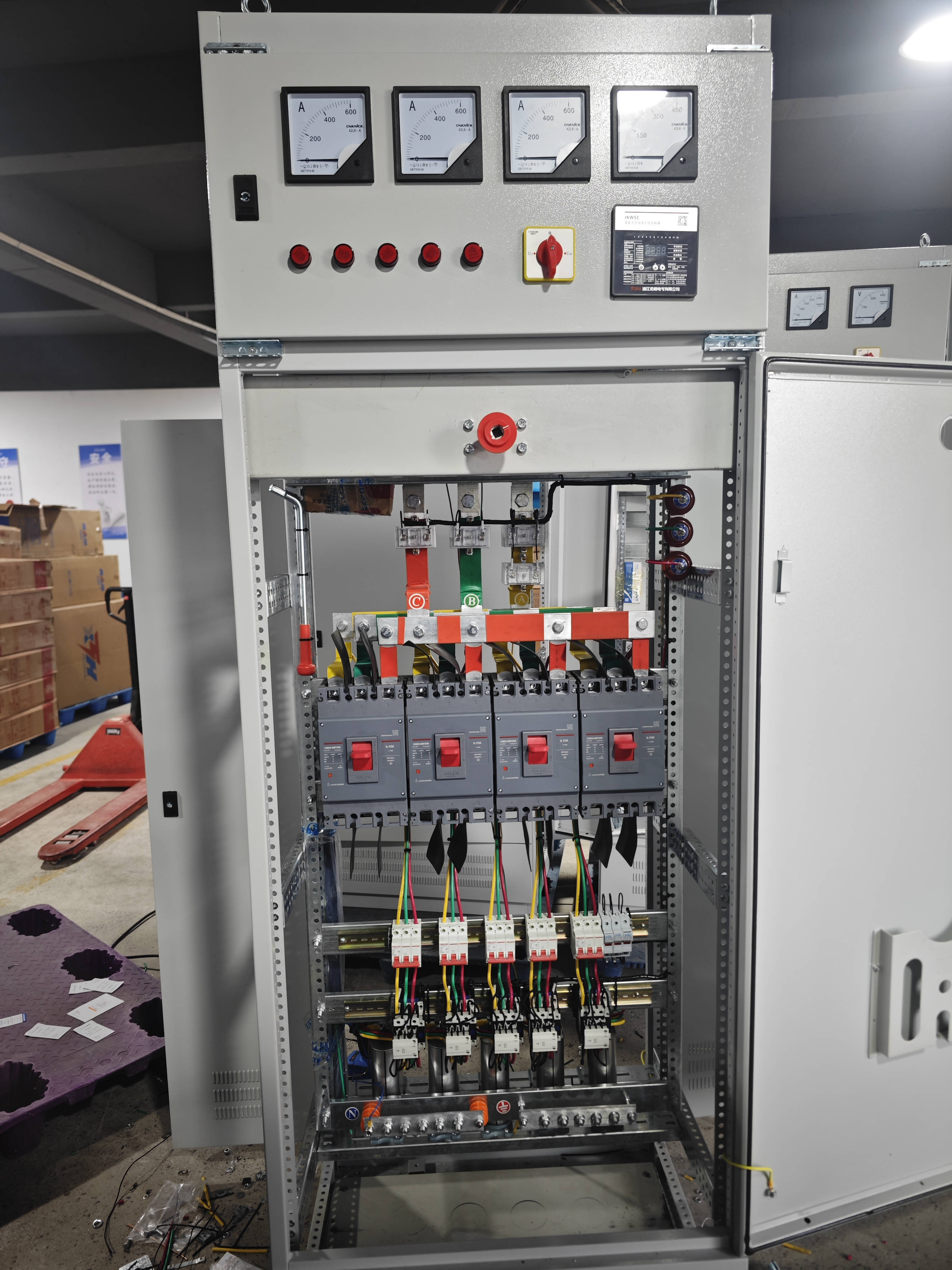
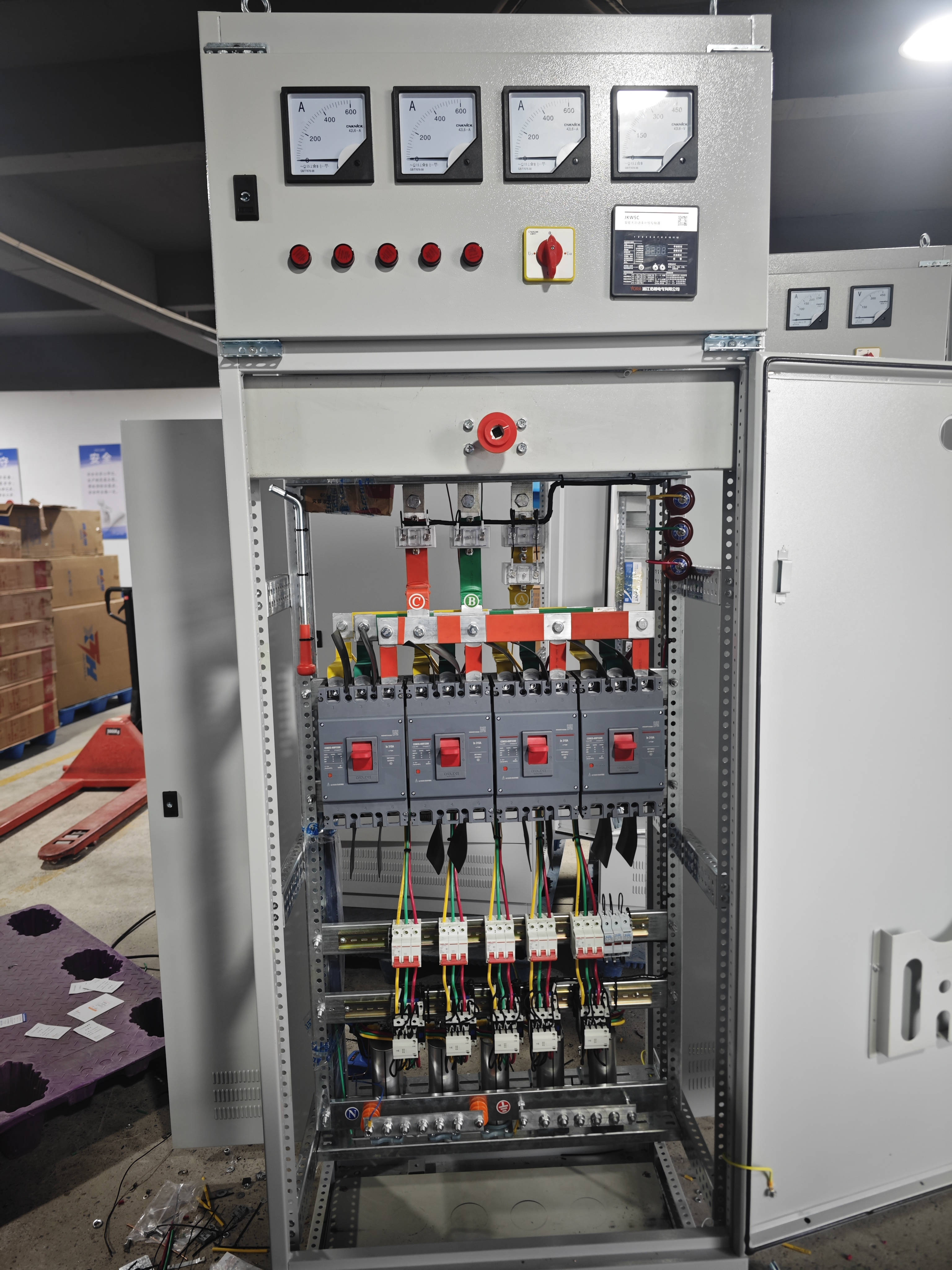
Long-Term Root Solution: Adopt a unified sourcing model combining certified electrical components with customized cabinet fabrication, ensuring strict adherence to GB/T14048.11 standards and 3C fire safety certifications.
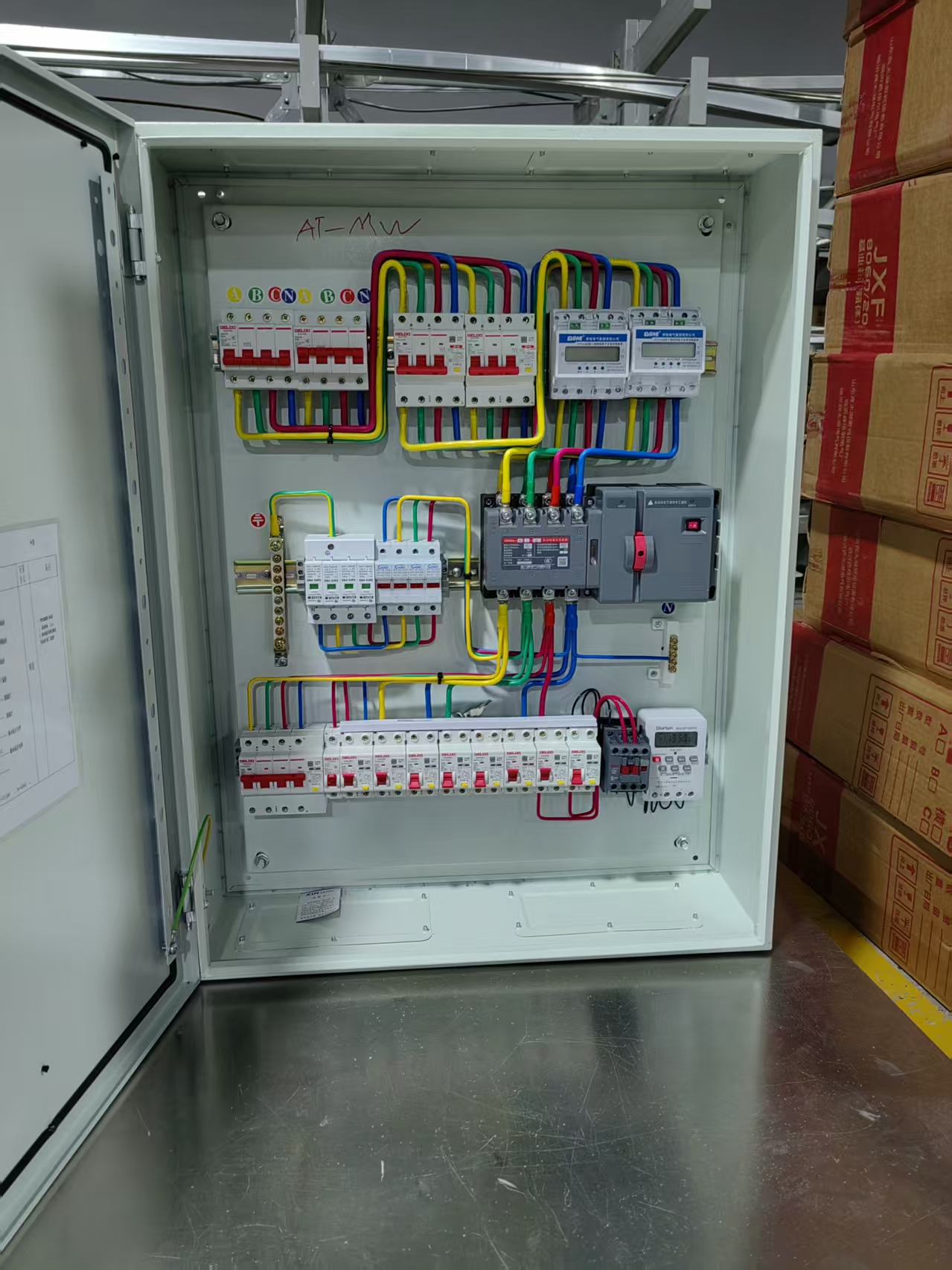
SME Optimization Advice: Utilize modular pre-wired assemblies to reduce on-site wiring time to under 10 minutes while maintaining dual-power switching capabilities.
4. Industry Best Practices & Verified Cases
A leading solar EPC contractor implemented our integrated switchgear solution across a 50MW ground-mounted PV plant.
By utilizing hot-dip galvanized steel spray-plated enclosures with 1.5mm thickened panels, the project achieved zero corrosion-related failures after three years of exposure.
Remote monitoring via mobile APP enabled centralized load management, reducing manual inspection costs by 40 percent.
5. Quantifiable Implementation Results
Standardized implementation of this framework consistently delivers the following outcomes across global deployments:
1. Unplanned downtime reduced by over 90 percent
2. Project commissioning cycle shortened by 35 percent
3. Maintenance and operational costs lowered by 28 percent annually
4. Grid connection compliance rate increased to 99.8 percent
Common Industry Problems
Based on extensive field experience and thousands of project validations, we have distilled a universal five-step framework to systematically resolve 90 percent of switchgear deployment challenges:
1. Problem Identification and Root Cause Positioning: Conduct comprehensive site surveys and collect complete electrical load data to accurately locate the fundamental cause rather than treating surface symptoms.
2. Target Setting and Solution Design: Establish quantifiable reliability targets and develop two to three tailored plans, including emergency response and long-term systemic upgrades.
3. Risk Assessment and Pre-control: Evaluate potential failure modes during installation and operation, establishing backup protocols to prevent secondary power interruptions.
4. Solution Implementation and Effect Tracking: Execute the plan according to scheduled milestones, continuously monitoring voltage stability and metering accuracy against baseline metrics.
5. Summary Accumulation and System Optimization: Document lessons learned to refine internal design specifications and maintenance workflows, creating a closed-loop management system.
Core Principles for Problem Resolution
Prioritize preventive design measures during the initial engineering phase to cut remediation costs by over 80 percent.
Base all technical decisions on objective test data rather than subjective assumptions.
Address systemic root causes to prevent recurring faults across parallel distribution lines.
Future Development Trends
Driven by global renewable energy expansion and smart grid modernization initiatives, the international photovoltaic switchgear market is projected to grow steadily through 2026.
Trend 1: Intelligent Centralized Control Integration
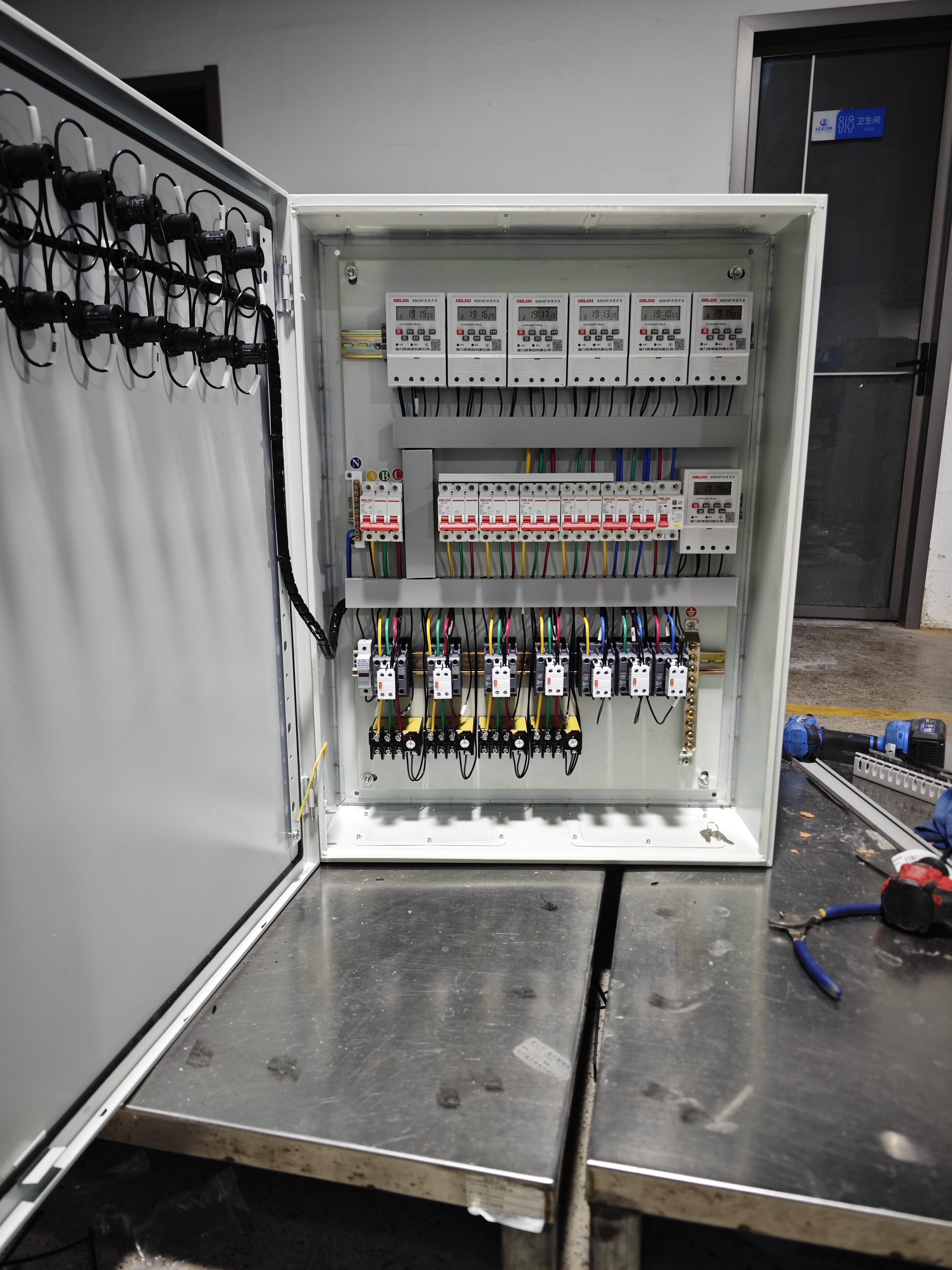
Trend Interpretation: Next-generation cabinets will embed IoT sensors and mobile APP remote control modules for real-time load balancing and fault diagnostics.
Industry Impact and Opportunities: Procurement teams should prioritize vendors offering pre-installed communication interfaces and cloud-based energy management platforms.
Trend 2: Enhanced Environmental Durability Standards
Trend Interpretation: Rising demand for ExdIICT6 explosion-proof ratings and advanced anti-corrosion coatings for mining, chemical, and coastal installations.
Industry Impact and Opportunities: Manufacturers investing in automated die-cutting and precision bending lines will secure higher margins in hazardous environment sectors.
Trend 3: Streamlined Global Service Networks
Trend Interpretation: Buyers increasingly require localized technical support, rapid spare parts logistics, and flexible payment structures to mitigate supply chain risks.
Industry Impact and Opportunities: Suppliers establishing regional warehouses and offering OEM/ODM customization will dominate emerging market tenders.
FAQ
Q:What are the biggest challenges for photovoltaic grid-connected switchgear suppliers in 2026?
A:The primary challenges include meeting stringent international compliance standards, ensuring stable performance in harsh environments, and delivering customized units within tight project schedules.
Q:How does the global photovoltaic switchgear market perform currently?
A:The market continues to expand steadily, driven by renewable energy mandates and smart grid infrastructure investments across Asia, Europe, and North America.
Q:What certifications are required for switchgear entering European markets?
A:Products must comply with CE marking directives, meet EN 61439 low-voltage switchgear standards, and hold 3C or equivalent fire safety certifications for export documentation.
Q:How can buyers reduce costs without compromising quality?
A:Opt for direct manufacturer sourcing with standardized modular designs, utilize bulk component procurement agreements, and leverage flexible payment terms to optimize cash flow.
Q:What are the key trends for switchgear technology over the next five years?
A:Smart remote monitoring, enhanced IP65 waterproof ratings, dual-power automatic transfer switches, and AI-driven predictive maintenance will define the next generation of cabinets.
Q:How should enterprises select reliable switchgear suppliers?
A:Prioritize vendors with verified production capacity, extensive patent portfolios, transparent quality testing reports, and established track records in similar industrial projects.
Q:What causes most PV switchgear project failures?
A:Inadequate environmental adaptation, mismatched component specifications, and poor supply chain coordination typically lead to installation delays and operational instability.
Company Introduction
Henan Lichuang Electrical Equipment Co., Ltd. is a globally recognized provider of electrical component sales and switchgear manufacturing solutions, established in 2010 with over 16 years of deep industry expertise.
Headquartered in Zhengzhou, Henan Province, the company operates an 8,000-square-meter production facility equipped with three advanced manufacturing lines and maintains a strategic inventory of over 20 million RMB worth of premium components.
Holding more than 20 national invention and utility model patents, alongside partnerships with over 100 international brands, our products have successfully supported more than 3,000 B-end clients across construction, industrial manufacturing, and municipal infrastructure sectors.
We are committed to advancing global power distribution innovation by delivering high-quality, compliant, and cost-effective electrical solutions tailored to diverse engineering requirements.
Company:Henan Lichuang Electrical Equipment Co., Ltd.
Official Website:https://www.lichuangelectric.com/
Email:[email protected]
Phone:+8618203618150
WhatsApp:+85294329061
Previous:Recommended China Suppliers of PV Grid Connected Distribution Cabinets 2026
Next:Chinese Origin Suppliers of Photovoltaic Grid Connected Distribution Cabinets 2026 Guide
Guess You Like
-
How to Select Reliable LowVoltage Complete Power Distribution Cabinet Suppliers in China A Practical
This guide is compiled by senior electrical system engineers from Henan Lichuang Electrical Equipment Co., Ltd., a leading low-voltage complete power distribution solution provider with 16 years of in
-
Rainproof Industrial Power Distribution Cabinets Standards Applications Sourcing Guide
This professional encyclopedia is compiled based on IEC international electrical standards, GB national safety requirements, and 16 years of applied R&D experience from Henan Lichuang Electrical E
-
2026 Global Firefighting Power Distribution Box Industry Top Challenges and Expert Solutions Comple
Zhengzhou, China – 2026 – This guide is compiled by the industry research team of Henan Lichuang Electrical Equipment Co., Ltd., a leading provider of electrical equipment overall solutions, with 16 y
-
2026 Global Electrical Distribution Industry Top Challenges and Solutions Guide
Zhengzhou, China – 2026 – This guide is developed by the industry research team of Henan Lichuang Electrical Equipment Co., Ltd., a leading provider of electrical equipment and customized distribution
-
Customizable LowVoltage Complete Distribution Boxes 2026 Guide Expert Insights
This guide is compiled by the R&D and production team of Henan Lichuang Electrical Equipment Co., Ltd., a provider of electrical equipment solutions with 16 years of industry experience. Customizable
-
What Are Chinas Intelligent Lighting Control Distribution Box Suppliers 2026 Complete Guide
This professional guide is developed by the technical team of Henan Lichuang Electrical Equipment Co., Ltd., a leading electrical equipment solution provider with 16 years of industry experience. Inte
-
2026 Global Intelligent Lighting Control Distribution Box Sourcing Challenges and Expert Solutions
Zhengzhou, China – 2026 – This guide is developed by the industry research team of Henan Lichuang Electrical Equipment Co., Ltd., a leading provider of electrical equipment and intelligent distributio
-
Henan Lichuang Unveils Custom Waterproof Power Distribution Boxes
New tailored outdoor solutions deliver weather resistance, fast delivery and full compliance for global construction, industrial and municipal projects ZHENGZHOU, China – October 13, 2026 – Henan Lich
-
Certification Qualifications of Chinese Intelligent Control Distribution Cabinet Manufacturers 2026
This professional guide is compiled by Henan Lichuang Electrical Equipment Co., Ltd, a leading provider of electrical equipment solutions with 16 years of industry experience, serving over 3000 B2B cl
-
Henan Lichuang Electrical Launches Custom Outdoor Distribution Cabinet Line
Built to meet global project compliance requirements, the line supports on-demand design, fast delivery, and integrated after-sales support for industrial, municipal, and construction clients.Zhengzho
